GRINDING CASE STUDY: CAUSES AND COUNTERMEASURES FOR WORKPIECE BURN-IN DURING GRINDING
Jul 04, 2024
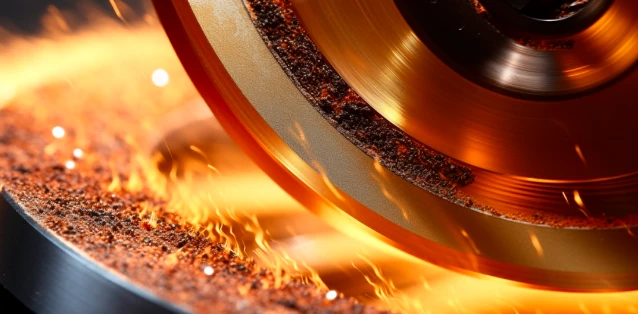
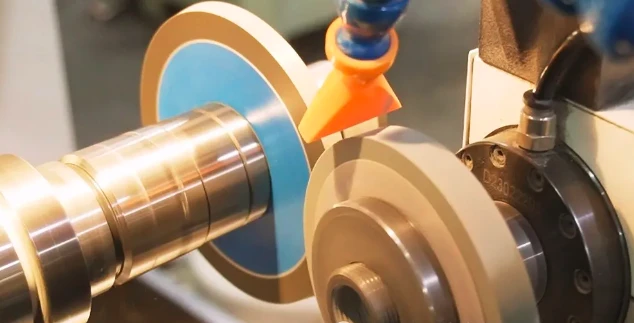
Next, we analyze the possible causes of the problem. Considering the abnormality that appears at the end of the grinding process, we can speculate that the state of the grinding wheel may have changed significantly. Specifically, the grinding wheel may be severely worn or clogged after a long time of grinding, leading to a decrease in sharpness, an increase in grinding force, and an excessive accumulation of heat. In addition, if the grinding wheel's thermal conductivity and self-sharpening are insufficient, it will also exacerbate the heat accumulation, thus causing the workpiece surface to burn.
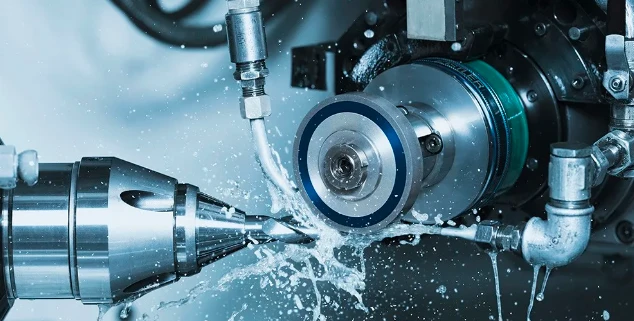
Secondly, choose a grinding wheel with better thermal conductivity and self-sharpening. When purchasing a grinding wheel, attention should be paid to its thermal performance and self-sharpening performance, and choose a grinding wheel material, grit, and hardness that are more suitable for the current grinding task, in order to improve grinding efficiency and workpiece quality.
In summary, in response to the surface burn problem that occurs when the grinding of the workpiece is about to be completed, we need to conduct a comprehensive analysis and response from multiple aspects such as the state of the grinding wheel, the selection of the grinding wheel, and the management of the grinding process. By regularly dressing the grinding wheel, choosing high-quality grinding wheels, and optimizing the management of the grinding process, we can effectively prevent and solve this problem, ensuring the smooth progress of the grinding process and the stable improvement of the workpiece quality.